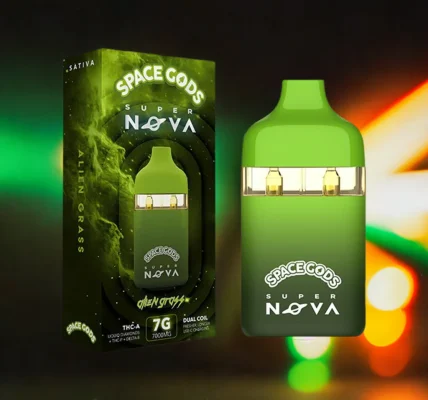
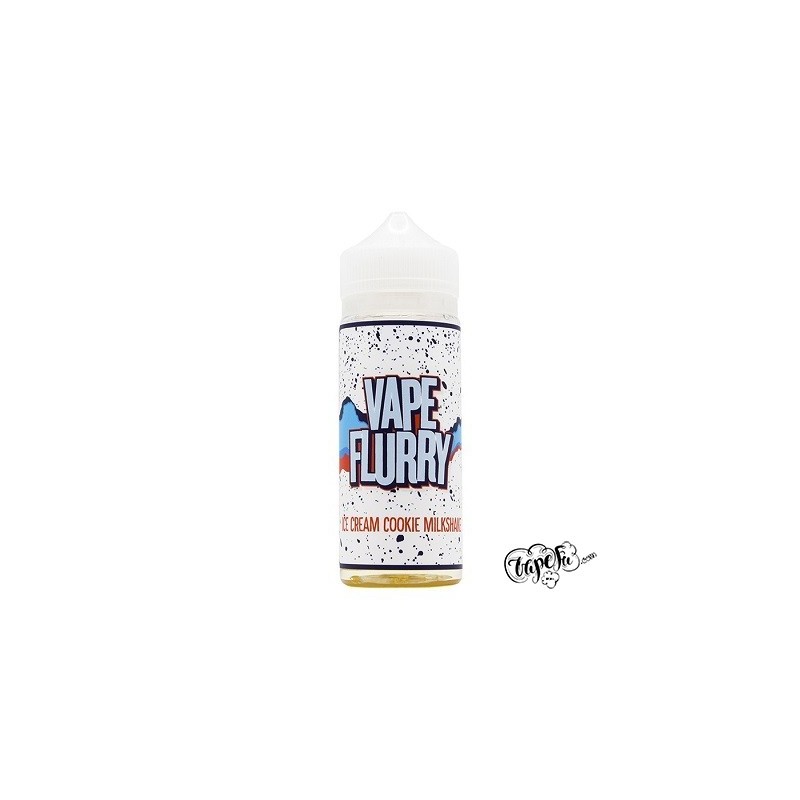
Vape flavor hasn’t always been as refined as it is today. What began as simple attempts to recreate familiar tastes has grown into a carefully engineered process that blends creativity with technical precision. The move from refillable setups to disposables didn’t just change how people vape—it transformed how flavors are imagined, built, and delivered.
The Early Era of Flavor Creation
In the early days, flavor development was fairly straightforward. Mixers worked with a limited range of concentrates and focused on making flavors that were broadly appealing and easy to use across different devices. Bottled ejuice needed to perform consistently whether it was poured into a basic clearomizer or a more advanced tank.
Because hardware varied so widely, flavor recipes had to be forgiving. Simpler profiles ruled the scene: single fruits, light desserts, and familiar beverage-inspired blends. Innovation came through trial and error, with creators learning how heat, airflow, and coil materials could subtly change how a flavor came through.
How Devices Began Influencing Taste
As vaping hardware improved, flavor design followed closely behind. More efficient coils, better airflow control, and stable power output allowed flavors to be more precise. Instead of designing one formula to work everywhere, creators could now optimize flavors for specific conditions.
This marked a shift in thinking. Flavor stopped being something that merely survived the device and became something that worked with it. Sweetness levels, cooling elements, and aromatic intensity could all be adjusted to match how vapor was produced and delivered.

Disposables Change the Flavor Equation
Disposable vapes took this concept to another level. With disposables, every component is predetermined—coil resistance, airflow path, power curve—giving flavor designers a controlled environment. This allows for flavors that are built specifically for one device rather than adapted to many.
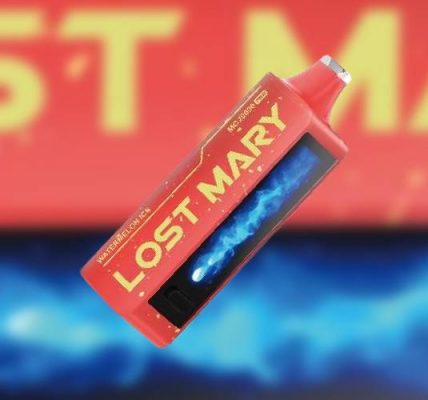
That’s why modern disposables often feel more polished and consistent. Flavors are layered intentionally, designed to taste the same from the first puff to the last. Well-known profiles, including lost mary vape flavors, highlight how far flavor engineering has come by delivering clarity and balance in a compact, single-use format.
Flavor Design Becomes Experience Design
Today, flavor science is less about mixing ingredients and more about shaping an experience. Developers think about how flavors open, how they linger, and how they hold up over time. The focus is on smooth transitions, controlled sweetness, and clean finishes rather than overpowering intensity.
This approach mirrors trends in other industries, like specialty beverages and food development, where consistency and nuance matter just as much as boldness.
Looking Ahead at Flavor Innovation
As technology continues to advance, flavor science will keep evolving alongside it. Expect more refined profiles, smarter use of cooling and aromatic elements, and flavors designed around very specific hardware characteristics.
The journey from refillable liquids to today’s disposables shows how flavor has moved from simple experimentation to a thoughtful, engineered craft, one that continues to push boundaries while staying approachable for everyday users.